What Is the Paula's Choice Barrier Repair Moisturizer?
Paula's Choice Barrier Repair Moisturizer with Retinol is a rich moisturizer positioned as a multi-functional barrier treatment: it aims to restore the skin's lipid matrix via ceramides and cholesterol, reduce inflammation with niacinamide, and deliver a low dose of retinol for long-term skin quality improvement — all in a single step.
Paula's Choice built its brand identity on ingredient transparency and evidence-based formulation criticism of the broader industry. That reputation creates a high bar for their own products, and Barrier Repair Moisturizer is one of the products most tested against it. The short answer is that it holds up — but with important caveats that affect who should buy it and at what stage of their barrier repair journey.
Formulation Analysis
The Barrier Repair Moisturizer uses a ceramide-dominant base with supporting lipids and a clean active ingredient stack. The full INCI list is publicly available on Paula's Choice's website, which is consistent with their transparency positioning.
| Ingredient | Role | Notes |
|---|---|---|
| Ceramide NP + Ceramide AP Key Active | Structural lipids — barrier matrix | Two of the three ceramide subtypes found in CeraVe (missing Ceramide EOP / Ceramide 1). The ceramide-to-cholesterol ratio is well-balanced, supporting lamellar lipid structure. Strong, if slightly incomplete vs. the full CeraVe triad. |
| Cholesterol Key Active | Structural lipid — equimolar lipid triad | Present at meaningful concentration alongside ceramides. Completes the ceramide:cholesterol component of the ideal barrier-repair lipid profile. |
| Retinol 0.1% Key Active | Cell turnover — collagen support | 0.1% is a low but functional retinol concentration. Appropriate for retinol newcomers or those wanting long-term skin quality benefits alongside barrier support. Will cause initial sensitivity on barrier-compromised skin — not a product for acute repair phases. |
| Niacinamide Key Active | Anti-inflammatory — ceramide synthesis support | Listed high in the ingredient deck, suggesting functional concentration. Niacinamide upregulates the skin's own ceramide production and reduces inflammatory cytokines — synergistic with the ceramide actives in the formula. |
| Linoleic Acid (as Rosehip Oil) Key Active | Essential fatty acid — barrier replenishment | Linoleic acid is the specific fatty acid most depleted in barrier-compromised skin. Its inclusion as rosehip oil provides a natural source of linoleic and alpha-linolenic acids alongside minor antioxidant carotenoids. |
| Glycerin Humectant | Draws water to skin surface | High-concentration humectant. Supports corneocyte hydration alongside the occlusive lipid layer. |
| Shea Butter Emollient | Emollient — occlusive seal | Rich in stearic and oleic fatty acids. Contributes the creamy texture and provides a partial occlusive barrier. Well-tolerated across most skin types. |
| Vitamin E (Tocopherol) Antioxidant | Antioxidant — retinol stabiliser | Serves a dual function: antioxidant protection and retinol stabilisation. Vitamin E extends retinol shelf-life in formulation. Also has documented wound-healing supportive activity. |
| Allantoin Soothing agent | Keratolytic — wound healing | Included as a soothing counterbalance to the retinol. Partially mitigates initial retinol sensitivity, though it cannot eliminate irritation risk in compromised skin. |
| Phenoxyethanol Preservative | Antimicrobial preservation | Standard preservative. No fragrance, no essential oils, no formaldehyde releasers in the formula. |
On the Retinol Concentration
0.1% retinol sits at the lower end of the functional retinol range (typical OTC products range from 0.025% to 1%). This is a considered choice for a barrier repair context: high-dose retinol is known to transiently impair barrier function, increase TEWL, and cause retinoid dermatitis in some users — particularly in the first four to six weeks of use.
At 0.1%, the product delivers real retinol benefit — accelerated turnover, long-term collagen support, improved texture — with a materially lower initial disruption risk. The inclusion of allantoin and vitamin E further buffers the retinol response. This is a well-calibrated decision, not a compromise.
How It Compares to CeraVe
The most common question about this product is: is it worth four times the price of CeraVe Moisturizing Cream? The answer depends on what you are asking it to do.
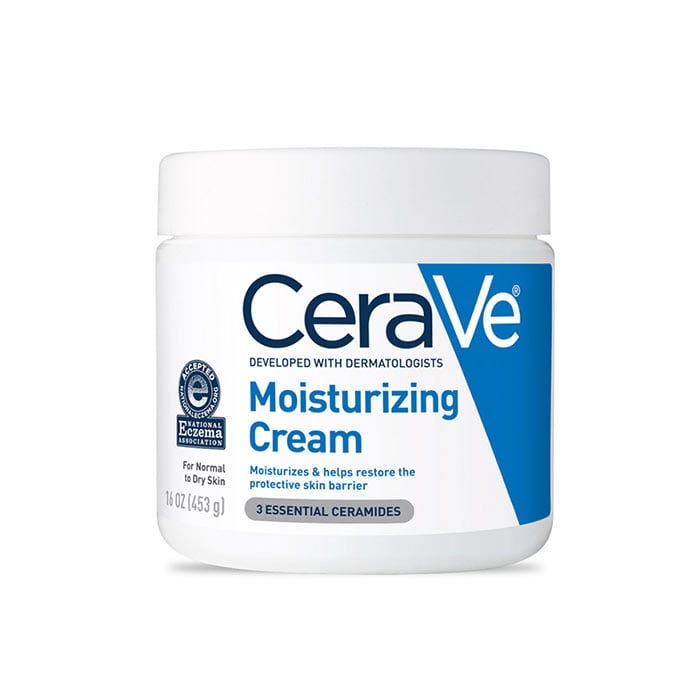
CeraVe has a more complete ceramide triad (three subtypes vs. two), proven MVE delivery technology, and superior cost-to-efficacy ratio for pure barrier repair. Paula's Choice Barrier Repair adds retinol and rosehip oil for long-term skin quality benefits that CeraVe cannot provide. These are not the same product and should not be evaluated as direct substitutes.
The Paula's Choice product makes sense if:
- Your barrier is no longer in the acute repair phase and you want to start optimising for long-term skin quality alongside ongoing maintenance
- You want to introduce retinol gradually without adding a separate retinol step to your routine
- You prefer a lighter, more skin-identical texture than CeraVe's petrolatum-forward formula
Clinical Evidence
Paula's Choice does not have the same volume of published clinical studies as CeraVe or La Roche-Posay. Most supporting evidence for Barrier Repair Moisturizer draws on the broader literature for its individual ingredients:
- Ceramide + cholesterol combinations: Well-documented in the barrier repair literature. The specific two-ceramide formulation in this product has not been studied independently, but the component ceramide research is robust.
- Retinol at 0.1%: Multiple published studies confirm functional activity at concentrations down to 0.025–0.04%. 0.1% is well within the range of demonstrated efficacy for both collagen stimulation and surface texture improvement.
- Niacinamide: Extensive independent literature supports functional ceramide synthesis upregulation, TEWL reduction, and anti-inflammatory activity.
- Linoleic acid: Supplementation of linoleic acid in barrier-compromised skin is supported by multiple studies showing correlation between linoleic acid deficiency and barrier dysfunction severity.
Texture, Application, and Real-World Use
The Barrier Repair Moisturizer is a medium-rich cream — noticeably lighter than CeraVe Moisturizing Cream due to the absence of petrolatum, but still substantive enough to function as a night cream or stand-alone moisturizer for normal to dry skin. It absorbs within two to three minutes, leaving a non-greasy, slightly dewy finish.
This texture profile makes it more versatile than CeraVe for daytime use — it can sit under SPF without the occlusive residue that CeraVe leaves. However, for very dry or severely compromised skin, the lighter vehicle provides less occlusive protection than CeraVe's petrolatum base.
Because it contains retinol, the product should be used in the evening only. Retinol degrades with UV exposure, and using it in the morning wastes the active.
Pros and Cons
What Works
- Ceramide + cholesterol + linoleic acid lipid matrix
- Niacinamide for ceramide synthesis upregulation
- Functional retinol at a well-calibrated 0.1% concentration
- Vitamin E stabilises retinol and adds antioxidant function
- Allantoin buffers initial retinol sensitivity
- Fragrance-free, no essential oils
- Lighter texture — more wearable than CeraVe
- Paula's Choice ingredient transparency — full INCI with concentrations published
What Falls Short
- Only two ceramide subtypes (missing Ceramide EOP / Ceramide 1)
- Retinol makes it unsuitable for acute barrier damage phases
- ~$38 for 50ml — poor volume-per-dollar vs. CeraVe
- No independent product-level RCT data
- Retinol limits to evening use only
- Lighter vehicle provides less occlusion for very dry skin
Who It's For — and Who Should Look Elsewhere
Best For
- Skin in the maintenance phase after acute barrier repair
- Normal to dry skin wanting retinol + barrier support in one step
- Retinol newcomers wanting a low-dose introduction
- Anyone who finds CeraVe too heavy for evening use
- Those willing to pay a premium for ingredient transparency
- Post-procedure skin in the recovery (not acute) phase
Not Ideal For
- Actively compromised or reactive skin
- Daytime use (retinol degrades with UV)
- Very dry or eczema-prone skin needing maximum occlusion
- Pregnant or breastfeeding individuals (retinol is contraindicated)
- Budget-conscious shoppers — CeraVe provides better barrier-per-dollar
How to Use It in a Barrier Repair Routine
This product belongs in the maintenance phase, not the repair phase. Use it once your barrier has stabilised — no more stinging from water, no persistent tightness or flaking, and normal tolerance for your existing products. Introducing retinol into a disrupted barrier will set back your recovery.
Evening only: Apply as your final moisturizer step after serum or treatment layers. Start with every second or third night for the first two to three weeks, then move to nightly use once your skin has adjusted to the retinol.
Morning: Use a separate ceramide moisturizer without retinol (CeraVe Moisturizing Lotion or a similar formulation) and follow with SPF. Do not use this product in the morning.
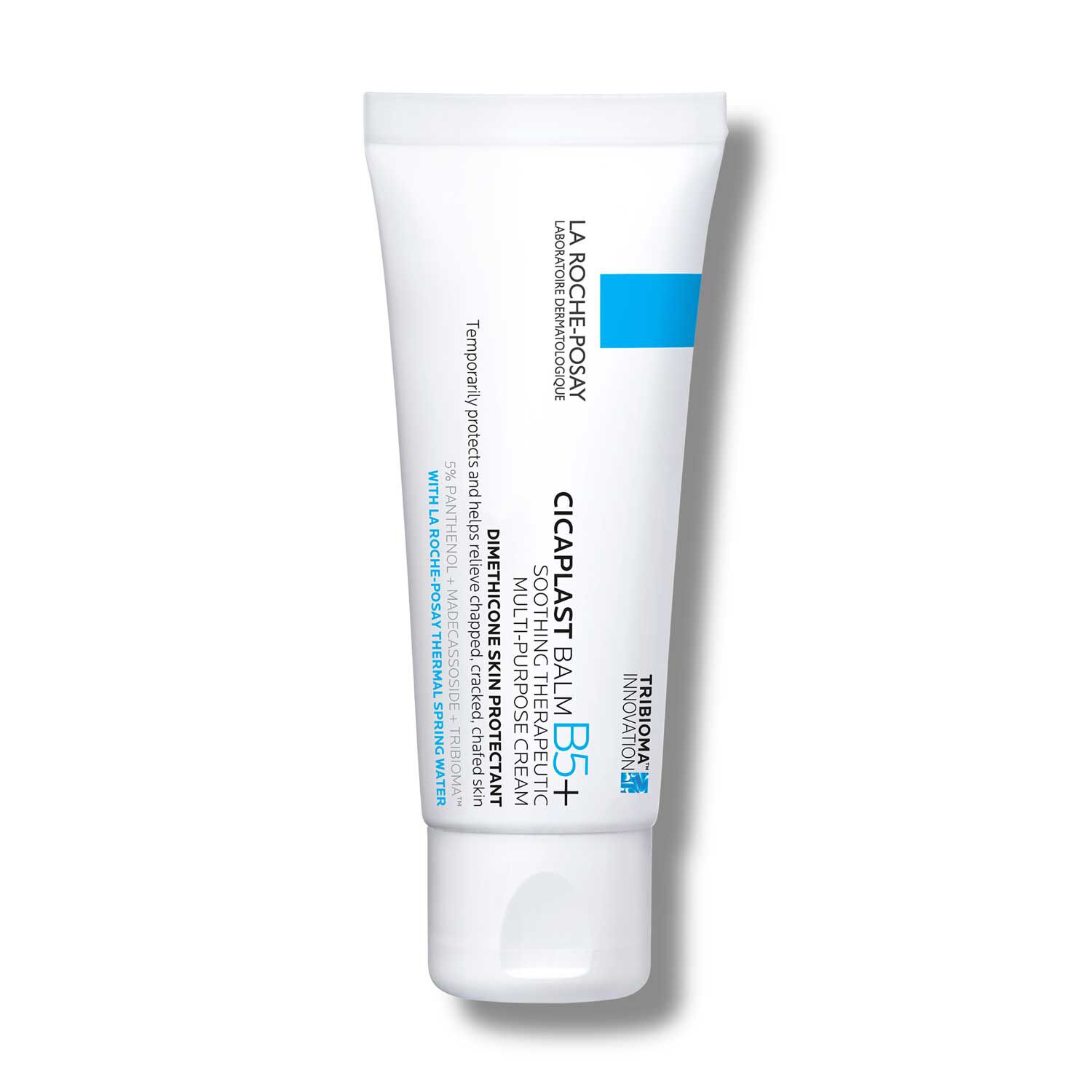
Pairing strategy: For maximum barrier maintenance, pair this product in the evening with La Roche-Posay Cicaplast Baume B5 as a spot treatment on any areas still recovering, and use this product on the full face. The two products are complementary rather than redundant.
Our Verdict
Paula's Choice Barrier Repair Moisturizer earns a 9.0 out of 10 — a strong score that reflects genuine formulation quality, ingredient transparency, and the smart inclusion of 0.1% retinol as a long-term skin quality driver. It loses points relative to CeraVe and Cicaplast on two grounds: the ceramide triad is incomplete (two subtypes vs. three), and the retinol makes it inappropriate for the acute barrier repair context that its name implies.
If you are managing an active barrier disruption, this is not your starting product — that is CeraVe Moisturizing Cream. But if your barrier is stable and you want to begin the optimisation phase, this is one of the best-formulated, most transparent options at the premium moisturizer tier. The ingredient transparency alone — Paula's Choice publishes concentrations where most brands do not — is a meaningful differentiator.
Paula's Choice Barrier Repair Moisturizer
~$38 for 50ml · Fragrance-free · 0.1% Retinol · 9.0/10 overall score
Frequently Asked Questions
Is Paula's Choice Barrier Repair Moisturizer good for sensitive skin?
Yes — when the barrier is already stable. It is fragrance-free and formulated with ceramides, niacinamide, and fatty acids that are well-tolerated by sensitive skin. However, the 0.1% retinol content means it should not be introduced during an acute barrier disruption phase — start with a ceramide-only moisturizer first.
Can I use Paula's Choice Barrier Repair Moisturizer if my skin barrier is actively damaged?
No — not as a first-line product. The retinol makes it inappropriate for acutely disrupted skin. Start with CeraVe Moisturizing Cream until stinging and tightness have resolved for at least two weeks, then transition to Paula's Choice for the optimization phase. See the repair timeline for guidance on when to reintroduce actives.
Does Paula's Choice Barrier Repair Moisturizer contain retinol?
Yes, 0.1% retinol. This makes it effective for long-term skin quality improvement — smoothing texture, stimulating collagen — but not appropriate during the acute barrier repair phase or for first-time retinol users without careful introduction. At 0.1%, it sits at the lower end of effective retinol concentrations.
How does Paula's Choice Barrier Repair compare to CeraVe Moisturizing Cream?
CeraVe is better for acute repair: complete ceramide triad, lower price ($16 vs $38), and no actives that could sensitize damaged skin. Paula's Choice is better for the optimization phase: ceramide maintenance plus retinol and niacinamide in one fragrance-free formula. See the full CeraVe review for a detailed comparison.
Is Paula's Choice Barrier Repair Moisturizer worth the price?
At ~$38 for 50ml, the value rests on combining ceramides, 0.1% retinol, and niacinamide in one fragrance-free product — three ingredients that would otherwise require separate products. Paula's Choice also publishes ingredient concentrations where most brands don't, which justifies a premium for formulation transparency.