What Are Natural Moisturizing Factors?
Natural Moisturizing Factors (NMF) is not a marketing term — it is a precise biochemical category describing the cocktail of hygroscopic (water-attracting) molecules naturally found in the stratum corneum, the outermost layer of skin. These molecules are not synthesised by skin cells directly; they are the breakdown products of a structural protein called filaggrin.
When corneocytes (dead skin cells) mature and flatten, filaggrin is degraded by proteolytic enzymes into free amino acids. Those amino acids are further converted into compounds including pyrrolidone carboxylic acid (PCA), urocanic acid, and other hygroscopic molecules. Collectively these represent roughly 40% of the water-retaining capacity of a healthy stratum corneum.
This matters clinically. Research from the last decade has established a direct link between filaggrin gene mutations (loss-of-function variants) and conditions including atopic dermatitis, ichthyosis vulgaris, and elevated TEWL (transepidermal water loss). People with these mutations produce less NMF — and less NMF means a stratum corneum that cannot hold water efficiently, regardless of how much cream you apply on top.
The Ordinary's product attempts to replicate this NMF pool topically: apply the molecules your skin is not making enough of, and restore the hydration gradient from the outside in. The concept is well-founded. The execution, as we'll examine, is genuinely strong for its price category.
Ingredient Analysis
The Ordinary publishes its full ingredient list with unusual transparency for the industry. The NMF + HA formula is built around a specific set of humectant molecules rather than a broad moisturising base.
| Ingredient | NMF Category | Function | Role |
|---|---|---|---|
| Sodium PCA | Core NMF | Most abundant NMF humectant; derived from glutamic acid via the filaggrin pathway. Binds water strongly in the SC. | Key Active |
| Amino Acids (Serine, Glycine, Alanine et al.) | Core NMF | Primary filaggrin breakdown products. Serine is the dominant amino acid in SC hydration. This complex mirrors what is lost in barrier-compromised skin. | Key Active |
| Urea | Core NMF | A bifunctional molecule: at low concentrations (<5%) it is a humectant; above 5–10% it becomes keratolytic (softens keratin). Here it functions primarily as a humectant with mild desquamation support. | Key Active |
| Lactic Acid | NMF-associated | Present in healthy SC at low concentrations. At the concentration used here (likely 0.5–1%), it supports NMF function and mildly signals ceramide synthesis via the acid mantle pathway. Not a primary exfoliant at this level. | Key Active |
| Sodium Hyaluronate | Humectant | Low-molecular-weight HA that penetrates superficial SC to provide additional water-binding above and beyond the NMF complex. | Key Active |
| Phospholipids | Structural | Minor lipid component that improves skin affinity and supports the NMF delivery into the SC. Not present at barrier-repair concentrations. | Supporting |
| Glycerin | Humectant base | Standard humectant carrier. Clinically well-tolerated; enhances the moisture-binding of the NMF complex. | Supporting |
| Carbomer, Xanthan Gum | Vehicle | Gel-forming agents that suspend the NMF complex and create the lightweight gel texture. | Vehicle |
What Is Not in This Formula
The absence list is as important as what is present. The Ordinary NMF + HA contains no fragrance, no essential oils, no alcohol, no sensitising preservatives, and no occlusive waxes or heavy emollients. For an ingredient-first analysis, this is a clean formulation profile. The tradeoff is that it is not a complete barrier repair product — which we address directly in the "What This Product Cannot Do" section below.
Sodium PCA — The Most Overlooked Ingredient in Skincare
Sodium PCA deserves dedicated attention because it is systematically undervalued relative to hyaluronic acid, despite being more biologically relevant to the stratum corneum. PCA (pyrrolidone carboxylic acid) constitutes approximately 12% of NMF by weight in healthy skin — making it the dominant individual NMF molecule.
Unlike HA, which is produced in the dermis and must migrate to the epidermis, PCA is synthesised directly in the stratum corneum from glutamic acid during the filaggrin degradation process. When filaggrin mutations or environmental damage reduce this pathway, PCA levels fall first — and transepidermal water loss rises in proportion.
Topical sodium PCA has been shown in vitro and in controlled studies to integrate into the stratum corneum, partially compensating for reduced endogenous production. This is not a surface effect — these molecules are genuinely taken up by corneocytes. The Ordinary placing sodium PCA early in the ingredient list indicates a meaningful concentration, which is the correct formulation decision.
What This Product Can Do
The NMF + HA excels at one specific job: replenishing the hydrophilic (water-attracting) layer of the stratum corneum. When applied consistently, it can:
- Restore the hydration gradient in the SC by reintroducing depleted NMF molecules
- Reduce the sensation of tightness and dehydration, particularly in skin with genetic NMF deficits
- Support the skin's acid mantle via lactic acid — maintaining pH in the 4.5–5.5 range that optimal barrier enzyme function requires
- Layer effectively under heavier emollients and occlusives, adding a water-binding step to the routine
- Provide benefits in combination, oily, and normal skin types that do not tolerate heavy creams but still have barrier hydration deficits
At $9 for 100ml, the ingredient-to-cost ratio is genuinely exceptional. There are no equivalent NMF-focused formulas at this price point that match the composition quality.
What This Product Cannot Do
This is the critical limitation that determines whether this formula belongs in your routine or whether you need a different category of product entirely.
The NMF + HA serum addresses the hydrophilic component of barrier function — the water-holding capacity. It does not address the lipid component: the intercellular lamellar lipids (ceramides, cholesterol, free fatty acids) that form the mortar between corneocytes. These are two separate structural systems, and both must function for the barrier to hold water effectively.
Think of the barrier as a brick wall. NMF is the water inside the bricks — the moisture retained within each corneocyte. Ceramides are the mortar between bricks — the lipid matrix that prevents water from escaping through the gaps. The Ordinary NMF + HA only addresses the first half of that equation. It will not restore a lipid-depleted barrier on its own.
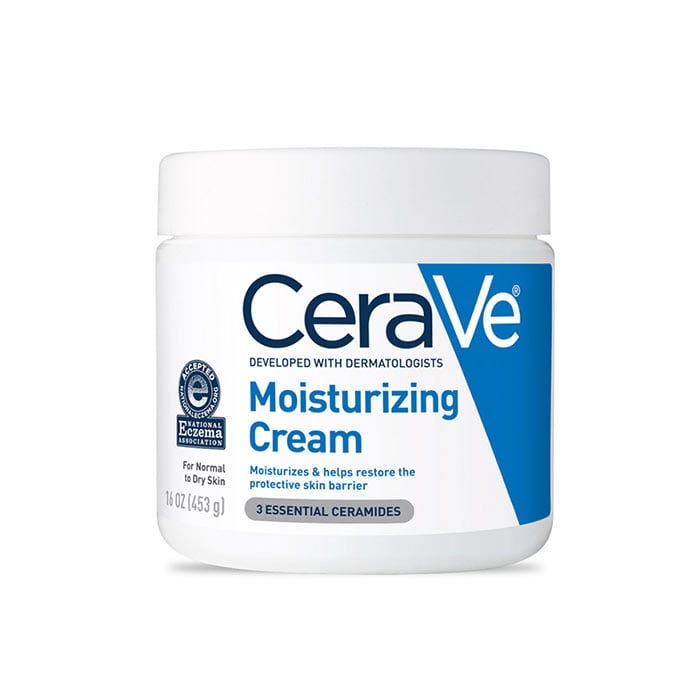
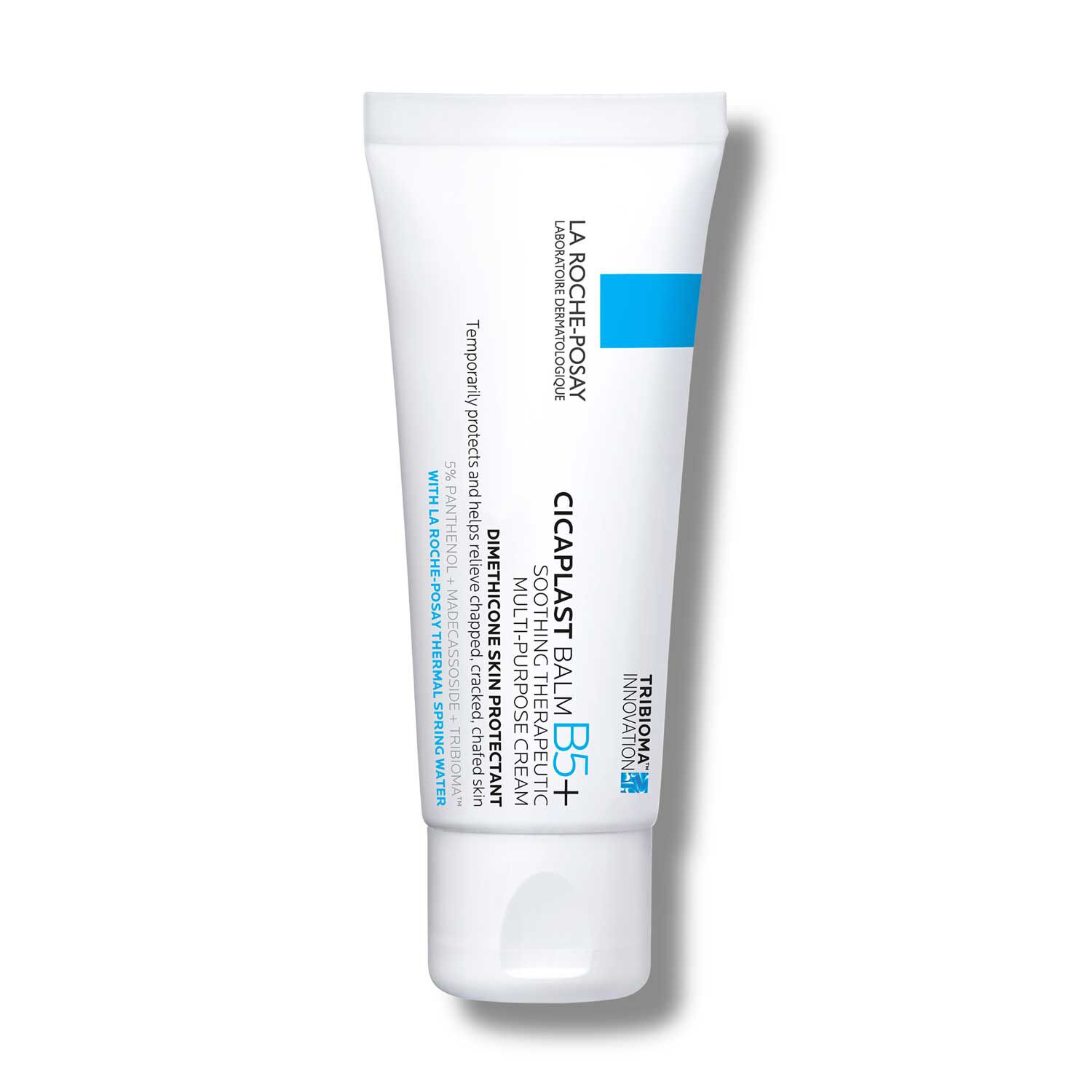
If you are dealing with eczema, post-procedure inflammation, sensitivity to topical products, or a barrier that is actively damaged and reactive — this serum alone is insufficient. You will need ceramide-based moisturisers (CeraVe), soothing occlusives (LRP Cicaplast), or both, applied after this product in your routine.
Texture, Absorption, and Layering
The formula is a lightweight gel serum with no residue and no scent. It absorbs in under 30 seconds on most skin types and does not pill under sunscreen or makeup. This makes it unusually compatible with every other step of a routine — something heavier NMF creams cannot claim.
The absence of occlusive ingredients means it must be sealed in with a moisturiser or SPF to prevent the humectants drawing water toward the skin surface rather than retaining it in the SC. This is standard humectant formulation logic: apply the water-attracting layer first, seal it with an emollient or occlusive on top. In dry climates or low-humidity environments, skipping the sealing step can paradoxically increase TEWL by drawing moisture from the dermis upward and then losing it to evaporation.
The correct layering sequence in a barrier-focused routine: cleanse → NMF serum → ceramide moisturiser → SPF (morning) or facial oil (evening).
Comparative Position in the Barrier Repair Category
The NMF + HA is not competing with CeraVe, LRP Cicaplast, or Paula's Choice. It is filling a different gap in the routine — the humectant serum step — that none of those products cover. It is best understood as a complementary product rather than an alternative.
| Product | Primary Function | Lipid Repair? | Hydration Type | Best Use |
|---|---|---|---|---|
| The Ordinary NMF + HA | NMF replenishment | No | Humectant (water-attracting) | Serum step; layering base |
| CeraVe Moisturizing Cream | Ceramide barrier repair | Yes (3 ceramide types) | Occlusive + emollient | Daily moisturiser; standalone |
| LRP Cicaplast Baume B5 | Acute soothing + repair | Partial (shea + mineral) | Occlusive + anti-inflammatory | Flare management; spot treatment |
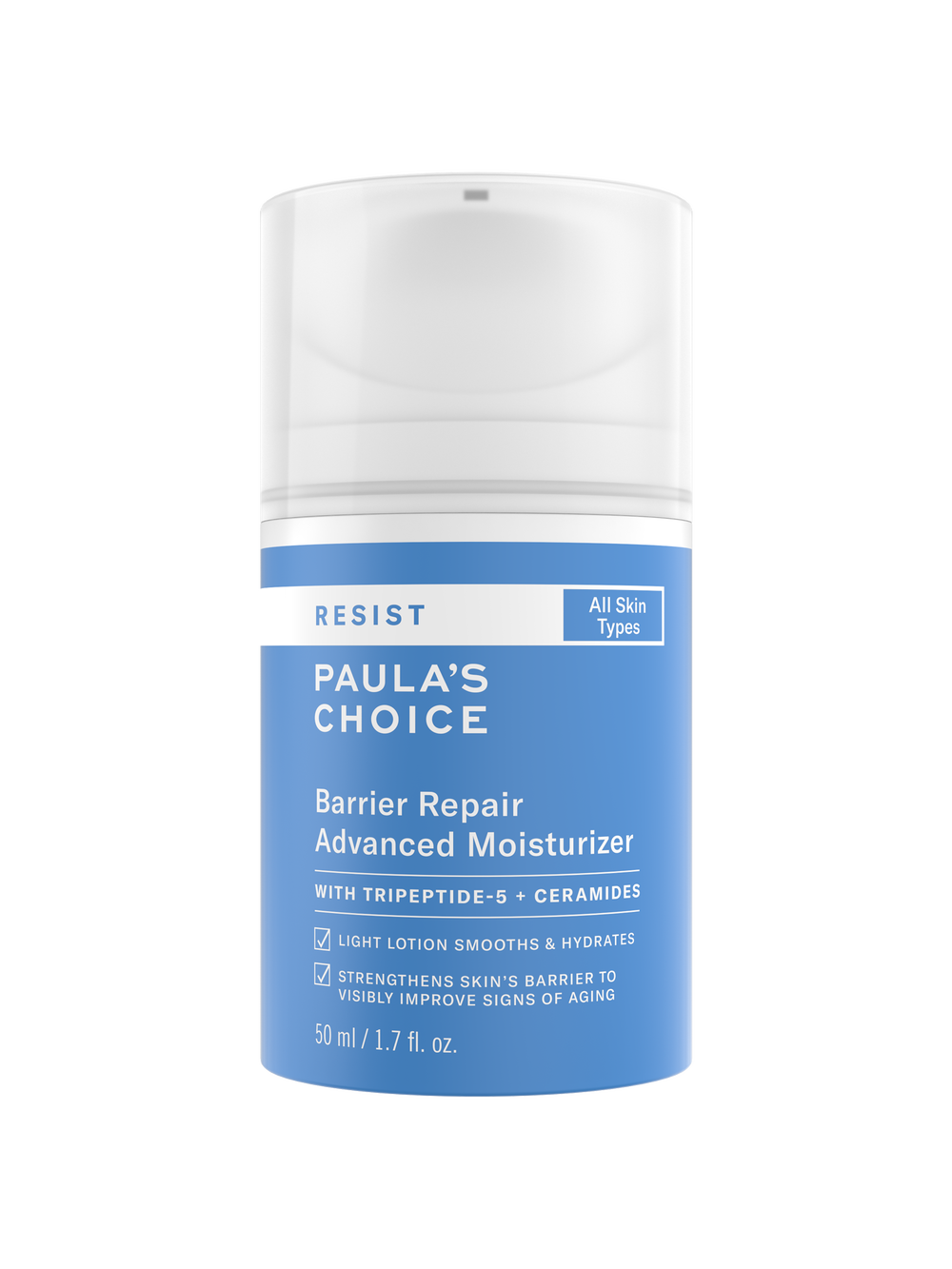
| Paula's Choice Barrier Repair | Ceramide + maintenance | Yes (2 ceramide types) | Emollient | Maintenance phase; post-stabilisation |
The ideal budget barrier routine uses the NMF + HA as the first hydration layer, CeraVe Moisturizing Cream as the lipid-repair layer on top, and a mineral SPF to seal and protect. Total cost: under $30 for a three-month supply of all three products combined. This is the most evidence-aligned budget barrier stack currently available.
Pros and Cons
Strengths
- Genuine NMF molecule complex, not a marketing claim
- Sodium PCA at a meaningful concentration
- Urea at humectant dose, not irritating keratolytic dose
- Lactic acid supports acid mantle pH
- Completely fragrance-free and alcohol-free
- Lightweight gel layers under anything
- $9 for 100ml — unmatched value in category
- No unnecessary sensitisers or fillers
Limitations
- No ceramides — does not repair lipid barrier
- No occlusive component — must be sealed
- Cannot be used as standalone moisturiser
- Requires a follow-up product to be effective
- Thin gel tube packaging prone to drying out if left open
- May feel insufficient in very cold or dry climates alone
Who This Is For
Best For
- Combination or normal skin seeking targeted hydration
- Oily skin types that want hydration without heaviness
- Anyone adding a serum step to a ceramide moisturiser routine
- Budget-conscious routines that need ingredient quality
- Skin with genetic NMF deficits (mild eczema-prone, sensitive skin)
- Layering before SPF in a minimal morning routine
Not For
- Active barrier damage needing lipid repair — add CeraVe on top
- Very dry skin that needs an occlusive — use as serum, not cream
- Anyone expecting standalone moisturising performance
- Post-procedure skin needing anti-inflammatory support
The Ordinary Natural Moisturizing Factors + HA
Best NMF serum at any price point. Use as your serum step before a ceramide moisturiser.
Our Verdict
The Ordinary NMF + HA earns an 8.8/10 — a high score that reflects exceptional ingredient quality and value, with points withheld for what the formula cannot do rather than what it does wrong. This is a rare product where the limiting factor is category scope, not formulation quality.
For a $9 serum, the ingredient integrity is remarkable: real NMF molecules at functional concentrations, no sensitising additives, and a gel vehicle designed purely to deliver the active complex without distraction. The Ordinary's transparency about what is in this product — and implicitly what is not — is the correct way to position a targeted serum.
Used correctly — as a serum step beneath a ceramide moisturiser, in a layered routine — this product punches well above its price. Used in isolation by someone with lipid-depleted or actively damaged skin, it will underperform expectations. The formula is not the problem in that scenario: the routine architecture is.
If your barrier routine currently lacks a humectant serum step and your moisturiser is heavy or occlusive enough to seal the NMF in, this is the most cost-effective addition you can make.
Frequently Asked Questions
What is The Ordinary Natural Moisturizing Factors + HA used for?
NMF + HA is a targeted humectant serum that replenishes the skin's natural moisturizing factor complex — the endogenous compounds in the stratum corneum responsible for water retention. It contains amino acids, sodium PCA, glycerin, urea, and hyaluronic acid at functional concentrations. It is used as the serum step beneath a ceramide moisturizer.
Should I use The Ordinary NMF + HA as a standalone moisturizer?
No. It is a serum, not a standalone moisturizer. NMF + HA attracts and binds water but does not contain the ceramides or occlusives needed to seal moisture in or repair the lipid barrier. Apply it under a ceramide-containing moisturizer. Used alone on a damaged barrier, the routine architecture is the limitation — not the serum quality.
When should I apply The Ordinary NMF + HA in my skincare routine?
After cleansing and before moisturizer, applied to damp skin. In a complete barrier repair routine: gentle cleanser → NMF + HA serum → ceramide moisturizer → SPF (morning only). See our best ceramide moisturizer picks for pairing options.
Is The Ordinary NMF + HA good for oily skin?
Yes. The lightweight gel texture is non-greasy and non-comedogenic. For oily skin with a compromised barrier — a common combination — NMF + HA provides humectant hydration without adding emollient weight. Pair with a lighter ceramide moisturizer like CeraVe Moisturizing Lotion for oily skin types.
Can The Ordinary NMF + HA repair a damaged skin barrier on its own?
No. NMF + HA replenishes the humectant components of the stratum corneum but does not provide ceramides, cholesterol, or fatty acids — the lipid components required for structural barrier repair. For genuine repair, pair it with a ceramide-containing moisturizer: NMF + HA handles hydration, ceramides handle lipid repair. See the full skin barrier 101 guide for context.
Related Reviews
For complete barrier repair, consider pairing with: